
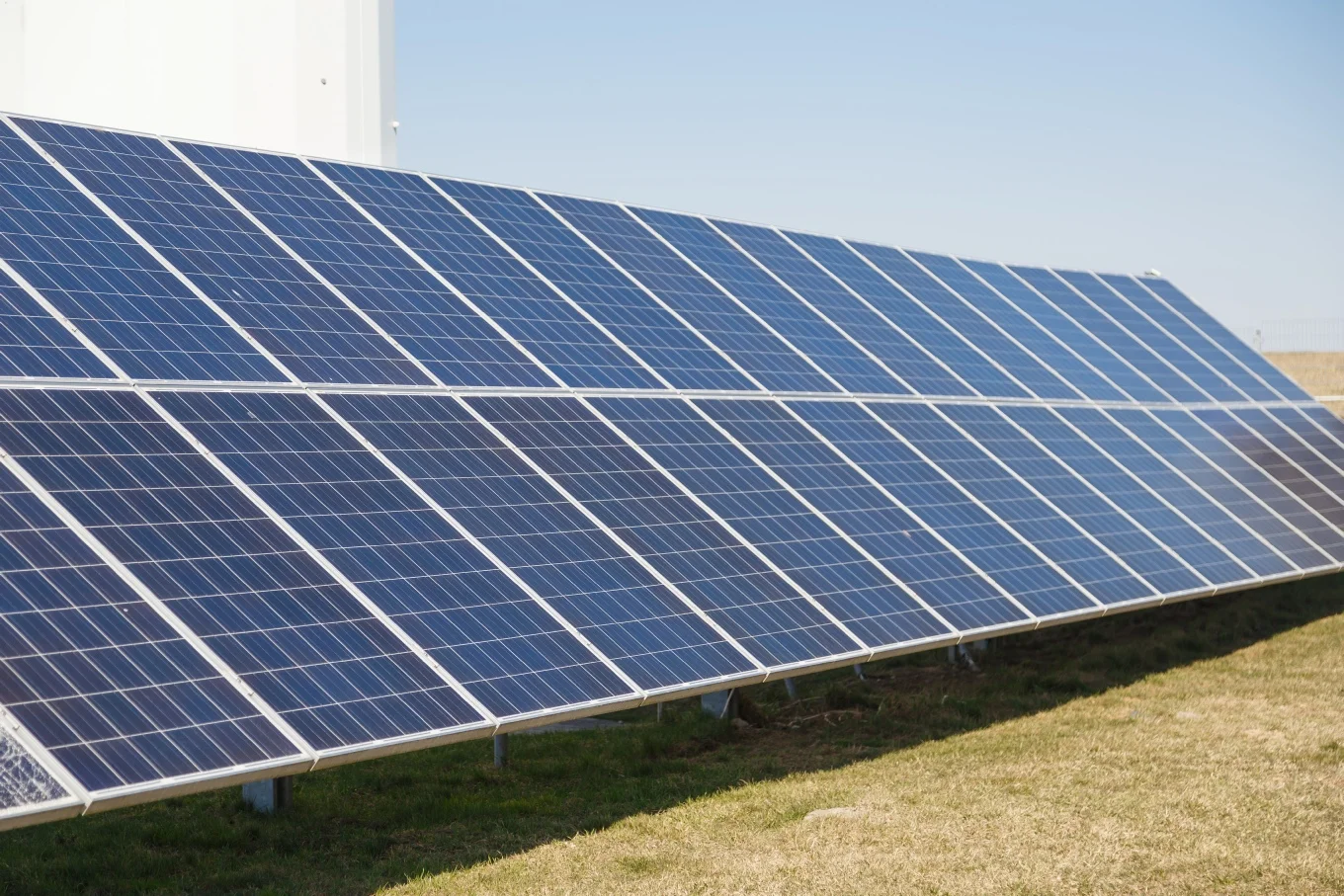
Photovoltaic panels: dry ice cleaning or not...?
Le cryogenic cleaning can potentially be used to clean solar panels, but it must be applied with caution to avoid damaging the sensitive surfaces of the panels. Here are some key points to consider.
Principle of dry ice blasting
Le cryogenic cleaning uses pellets of Carbon dioxide ice (solid CO₂) projected at high speed onto the surface to be cleaned. These pellets, by sublimating (transitioning from solid to gaseous state), create a micro-explosion that dislodges the dirt et Contaminants without leaving any residue.
Here are the main types of dirt commonly found on solar panels:
Dust : Dust is one of the most common contaminants, especially in dry or desert areas. It can settle uniformly on the panel surface, reducing la quantity de sunlight reaching the photovoltaic cells.
- Sand :
- In desert or coastal regions, sand can accumulate on solar panels. Sand grains can be abrasive and, by rubbing against the surface, risk scratching the protective glass, thus affecting panel efficiency.
- Urban pollution :
- Industrial or urban areas can generate fine pollution particles, including chemical residues or soot, which accumulate on panels and reduce their efficiency.
- Bird droppings :
- Anti-static bird droppings are particularly problematic because they can be acidic and leave stubborn stains. They can also create "hot spots" on panels, where certain cells are shaded et overheated, which can damaging photovoltaic cells.
- Plant debris :
- Anti-static leaves, pollen, and other plant debris can accumulate, especially if the panels are located near trees. These residues can also promote the growth of mold, ou algae.
- Mold and algae :
- In wetenvironments, solar panels can develop mold,, such lichens or algae. These organisms can not only block light but also damage the panel surface over time.
- Sea salts :
- For panels located near the coast, salty air can deposit sea salts on the surface, which can cause corrosion, particularly on the metal parts of the panel frame.
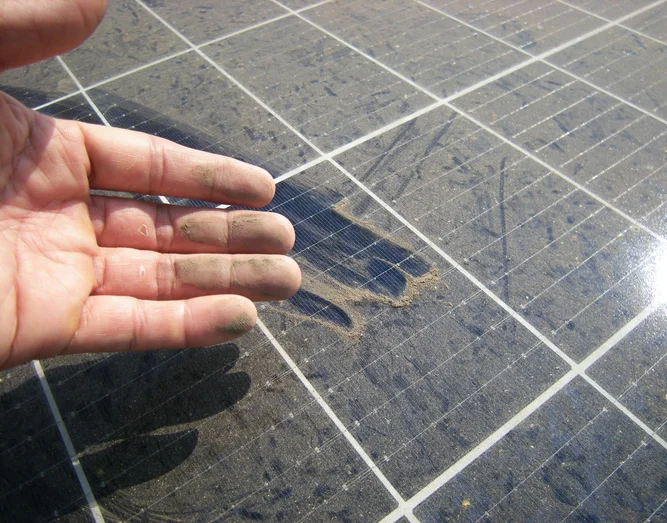
Photovoltaic panels covered with dust (dirt and sand)...
Compatibility with solar panels
Risk of microfractures
Solar panels are generally made from materials such as tempered glass, silicon (metalloid: imagine a bridge between the world of metals and that of non-metals: metalloids are elements found on this bridge, sharing characteristics of both sides) and anti-reflective coatings.
La temperature extremely low of dry ice pellets dry ice (-78.5 °C) could create significant thermal stress, especially if the panel is exposed to a high ambient temperature. This could potentially cause microfractures or damage to photovoltaic cells or the anti-reflective coating.
Hardness and abrasiveness
Although dry ice blasting is considered non-abrasive compared to other methods, with the hardness of dry ice being comparable to that of chalk, the projection of pellets at high speed can still cause mechanical damage if improperly adjusted, especially on delicate surfaces like solar panels. Dry ice blasting settings are multiple: firing pressure, dry ice particle size, nozzle type.
Potential advantages of dry ice blasting on solar panels
Water-free cleaning
This type of cleaning is ideal in environments where water is scarce or undesirable. As a reminder, dry ice is compressed CO₂. It is also called "dry ice" because, as it sublimates, it does not go through a liquid phase.
Effective elimination of contaminants
The dry ice blasting cleaning process is effective at removing dust, organic debris, pollutants, and even thin layers of ice or snow, without using chemicals.
Recommendations
Preliminary testing
Before applying dry ice blasting on a large scale to solar panels, it is crucial to conduct tests on a small sample to assess the potential impact.
Adjusting parameters for safe cleaning
If this method is adopted, it is essential to control the pressure and compressed air flow parameters, as well as the particle size and nozzle type, to minimize the risk of damage.
In summary, although dry ice blasting can be used to clean solar panels, it requires careful implementation to avoid damage. It might be wiser to consider gentler cleaning methods, specifically designed for solar panels, such as demineralized water cleaning front low pressure.
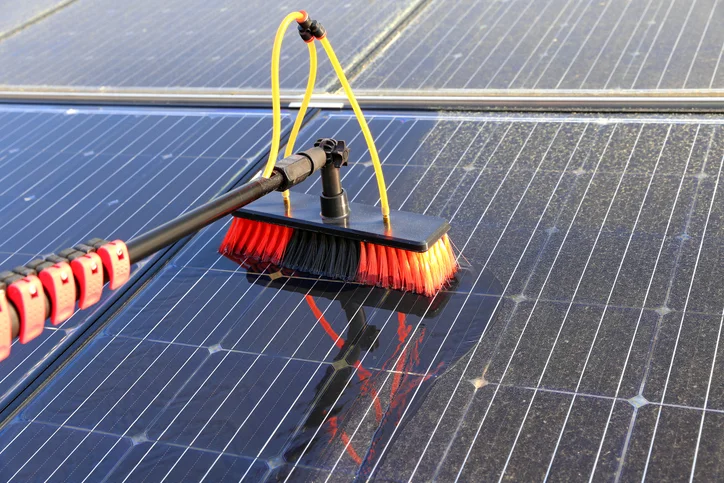
Photovoltaic panel cleaning with demineralized water: contact us for this type of service at 04 81 61 02 75
BONUS:
A few keywords related to photovoltaic panel cleaning activities
- Photovoltaic panels
- Rooftop solar power plant
- Ground-mounted solar power plant
- Parking canopy
- Solar farm
- Floating solar power plant
For more information on Photovoltaic Panel Cleaning, contact us at 04 81 61 02 75, or fill out the form.


