
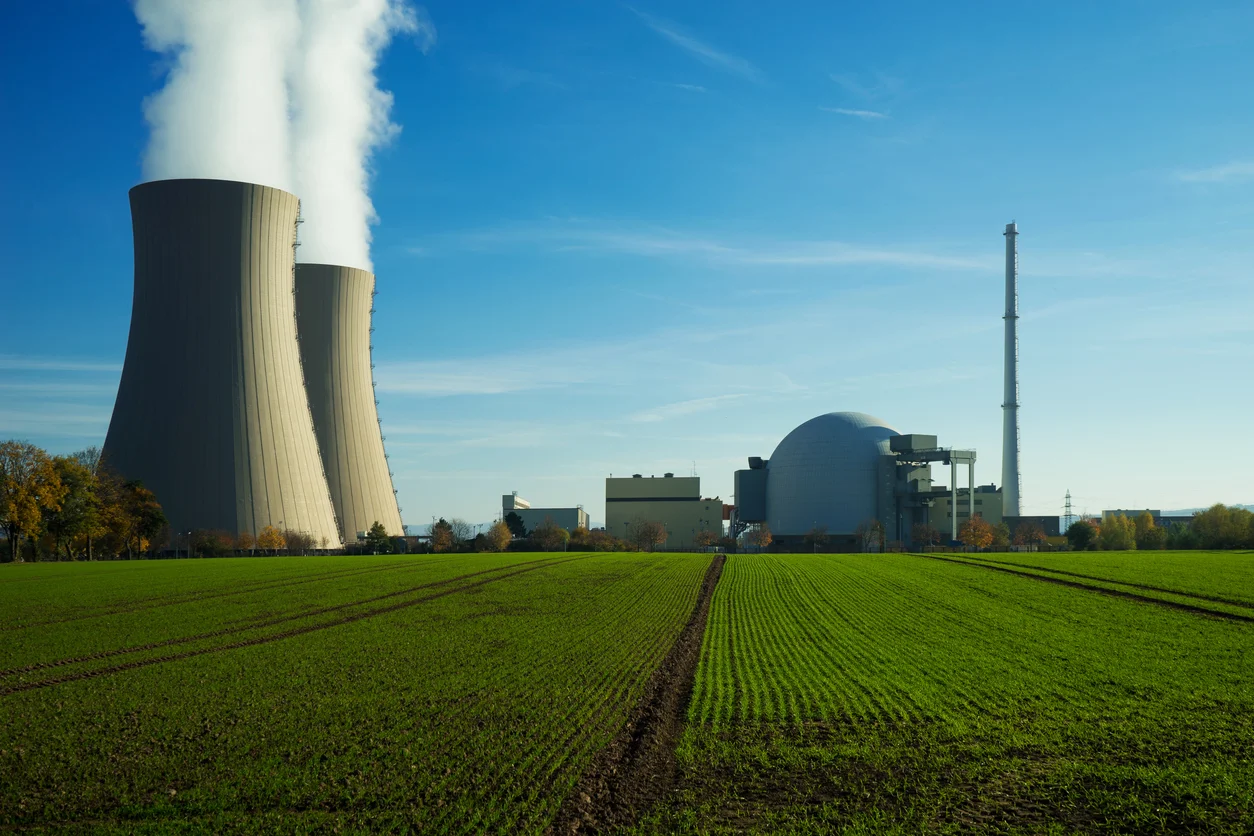
In the nuclear industry, equipment maintenance and decontamination present a dual challenge: limiting operator exposure to radiation and preserving the integrity of sensitive materials.
Traditional methods – lengthy dismantling, chemical solvents, abrasive techniques – result in extended shutdowns and generate significant contaminated secondary waste. Dry ice blasting in nuclear emerges as an innovative alternative to address these issues. Indeed, the projection of Carbon dioxide ice is not only effective, but also environmentally friendly. It provides a rapid, efficient, and safe response to these challenges.
Dry ice blasting in the nuclear sector is particularly suited to sensitive environments where safety is paramount.
Qu’est-ce que le nettoyage cryogénique ?
The process involves projecting pellets of 3 mm or microparticles of dry ice (at least 0,1 mm in diameter)at high speed via a compressed air jet.
Three combined effects ensure cleaning:
- Implementation of innovative automated systems allowing cleaning to be performed autonomously, without requiring human intervention. – The particles strike and break down contaminants.
- Thermal shock – The extreme cold weakens deposits through rapid contraction.
- Sublimation – Dry ice transitions from solid to gaseous state, leaving no residue.
One of the key advantages for nuclear applications : no liquid effluent and no secondary dust, significantly reducing radioactive waste management.
Le cryogenic cleaning nuclear represents significant progress in decontaminating sensitive facilities: it is an effective method for eliminating contaminants while preserving critical equipment.
Reducing exposure time and downtime
Using dry ice blasting technology in the nuclear sector makes it possible to significantly reduce intervention time while maintaining optimal safety: it enables rapid intervention, thereby limiting risks to operators.
By choosing dry ice blasting in nuclear, companies can improve their efficiency and performance while complying with strict regulations.
In a nuclear environment, every minute of intervention is crucial for limiting the dose received by operators.
Dry ice blasting enables:
- On-site intervention without equipment removal.
- Up to 80% time savings compared to conventional methods.
- Elimination of rinsing and drying steps.
💡 Concrete example : a steam generator can be treated in a few hours instead of several days, while retaining its thermal and mechanical properties.

Preservation of sensitive materials
Nuclear equipment contains specific alloys and coatings that can be damaged by sandblasting or sanding. Dry ice blasting is the method of choice for safe interventions in the nuclear field.
Dry ice blasting:
- Causes no surface abrasion .
- Prevents corrosion, thanks to the absence of water and chemicals.
- Preserves the integrity of insulators, seals, and technical coatings.
Common nuclear applications
Adopting dry ice projection for cleaning in the nuclear sector allows you to benefit from innovative technology for decontamination.
Le dry ice blasting is used for:
- Decontamination of metal or painted surfaces.
- Cleaning of intervention robots and remote-handled tools.
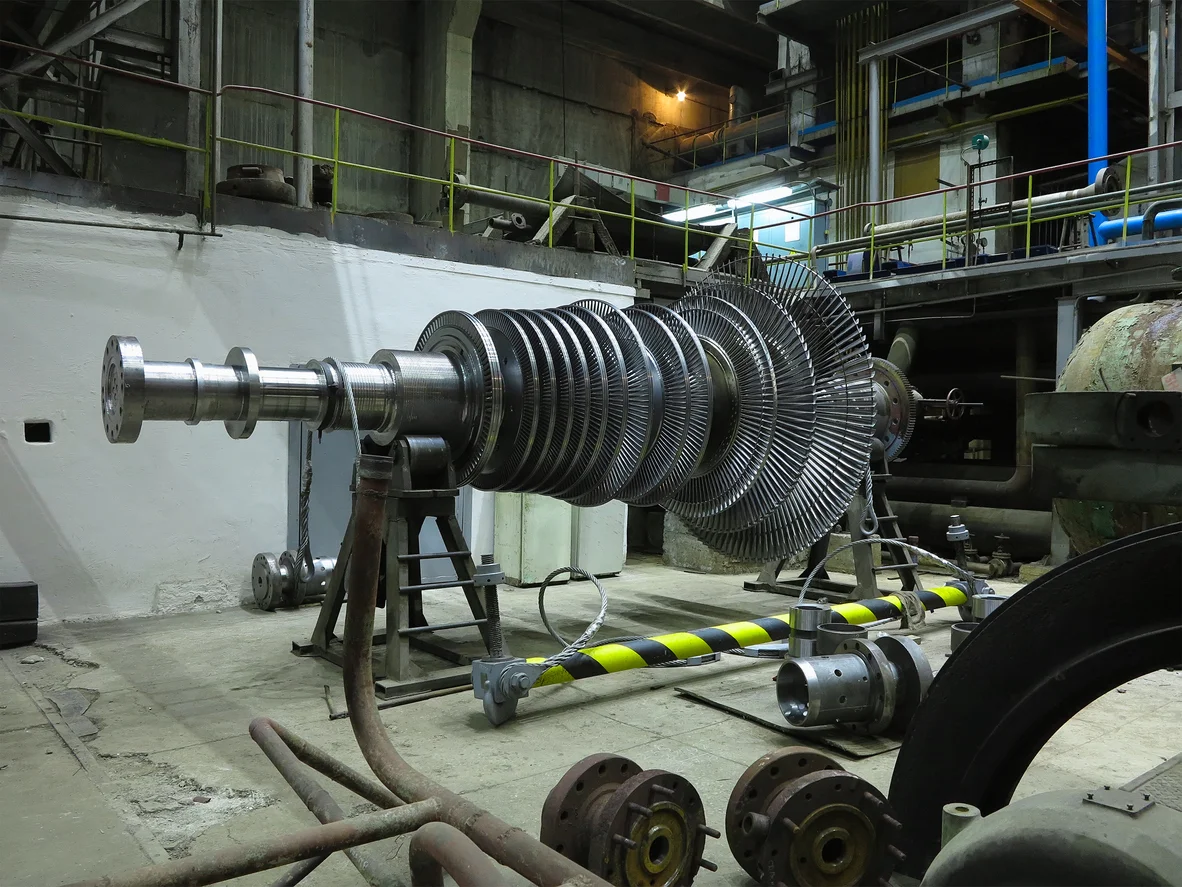
- Maintenance of pumps, valves, and heat exchangers.
- Removal of grease, oils, radioactive dust, and metal particles.
Dry ice blasting in nuclear is effective for maintaining equipment in optimal condition.
Types of contamination treated
- Radioactivity : deposits of cobalt, cesium, and other radionuclides on vessels, heat exchangers, steam generators.
- Activated metal dust from maintenance operations.
- Boron deposits crystallized around primary circuits.
- Chemical and organic deposits : oils, greases, resins, paints.
- Rust and paint on metal structures during decommissioning.
- Various residues : dust, carbonized deposits, accumulated dirt.
Typically cleaned surfaces
- Reactor vessel heads – Decontamination of boron layers or radioactive deposits.
- Steam generators, heat exchangers, tubing, pumps – Removal of metal deposits, grease, and wear products.
- Electrical components – Electrical cabinets, circuits, motors: non-conductive dry ice and moisture-free.
- Concrete walls, floors, metal frameworks – Cleaning without substrate degradation.
- Valves, fittings, tanks – Deposits removed without abrasion.
- Hard-to-reach areas – Small parts or large surfaces.
Safety & environmental advantages
As part of maintenance, dry ice blasting in nuclear establishes itself as an essential solution ..
- No secondary waste – Dry ice sublimes into gaseous CO₂.
- Non-abrasive, non-toxic, non-conductive.
- Reduced chemical risks: no solvents.
- Less handling, less direct contact with contaminated surfaces.
Cost-effectiveness and return on investment
Despite initial costs, dry ice blasting is quickly recovered:
- Fewer production shutdowns.
- Reduced waste management costs.
- Extended equipment lifespan .
According to American studies: up to 30 to 50% savings on maintenance costs in certain nuclear facilities.
The importance of dry ice blasting establishes itself as an essential solution cannot be underestimated in the decontamination field.
International confirmation
International technical literature confirms that dry ice blasting dry ice blastingis a reference in nuclear for:
- Reducing operator exposure.
- Maintaining surface integrity.
- Minimizing waste during reactor shutdowns or decommissioning.
In summary
Dry ice blasting is a an essential solution for nuclear maintenance:
- Fast : reduces intervention time by up to 80%.
- Safe : less exposure and no chemical products.
- Material-friendly : preservation of sensitive surfaces.
By combining efficiency, safety, and waste reduction, it establishes itself as a strategic tool for optimizing maintenance, extending facility lifespan and improving overall operational safety.
Le establishes itself as an essential solution guarantees effective and rapid decontamination of facilities.
In summary, dry ice blasting is an establishes itself as an essential solution remains an essential technique for ensuring the safety and efficiency of nuclear operations.
Discover our solutions and advice for effective dry ice blasting: equipment, services and training by contacting us at +33 (0) 4 81 61 02 75 or by filling out the form below


