

Role of carbon dioxide...
Carbon dioxide (CO2) is an essential gas that exists naturally in our atmosphere. However, its rising levels have become a major concern due to its impact on climate change. In this article, we will examine the importance of carbon dioxide and the measures we can take to achieve carbon neutrality. By understanding the role of this gas and implementing effective strategies, we can help mitigate the effects of climate change. Let's embark on this journey to create a sustainable future for our planet.
What is carbon dioxide?
The Basics
Le carbon dioxide is a chemical compound composed of one carbon atom dry ice. It addresses environments where cleaning control takes priority over raw power, particularly when the goal is to preserve surface integrity while ensuring effective and reproducible cleaning. two oxygen atoms. It is part of Earth's carbon cycle, a process by which carbon, is exchanged between the atmosphere, oceans and living organisms. Carbon dioxide is produced by natural processes such as respiration and volcanic eruptions. However, it is also emitted by human activities such as the use of fossil fuels: oil, gas, coal...
Highly compressed, it exists in liquid form and is used in many sectors and applications. By transitioning to atmospheric pressure, namely 101 325 Pa, liquid CO2 transforms into a solid, in a ratio of 1/2. The solid obtained is dry ice (example: fire extinguisher). This snow can also be "compressed" using a pelletizer for the manufacture of Carbon dioxide ice (see the article video Dry ice: a revolution from extreme cold).
The Greenhouse Effect
Carbon dioxide is a greenhouse gas, which means it traps heat in Earth's atmosphere. This is known as the greenhouse effect, and it is essential for life on Earth. Without the greenhouse effect, Earth's average temperature would be much colder, making it difficult for life to exist. However, increasing levels of carbon dioxide have intensified the greenhouse effect, leading to planetary warming and climate change.
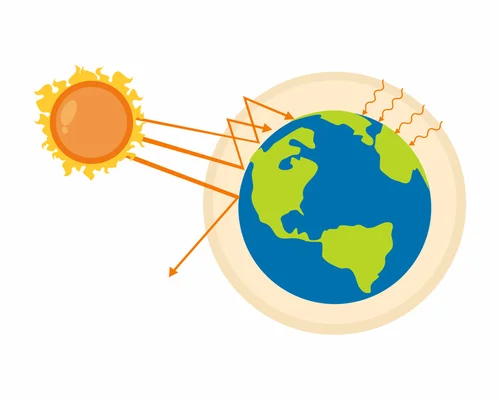
"Without the greenhouse effect, Earth's average temperature would be much colder, making it difficult for life to exist."
The Impact of Carbon Dioxide on Climate Change
Rising Carbon Dioxide Levels
Since the Industrial Revolution, the concentration of carbon dioxide in Earth's atmosphere has increased by more than 40%. This increase is mainly due to the burning of fossil fuels, such as coal, oil, and gas, for energy. These activities release large amounts of carbon dioxide into the atmosphere, trapping more heat and contributing to Earth's warming.
Environmental Effects
Rising levels of carbon dioxide have had a significant impact on Earth's climate. Earth's average temperature has risen by approximately 1.1 degrees Celsius since the late 19th century, and the rate of warming has accelerated over recent decades. This temperature increase has led to more frequent and more intense heat waves, droughts, and extreme weather events, such as hurricanes and wildfires.
Ocean Acidification
Carbon dioxide affects not only Earth's atmosphere but also the oceans.
Recent scientific research shows that 1/3 of anthropogenic CO2 emissions are absorbed by the oceans causing ocean warming and water acidification.
When carbon dioxide dissolves in seawater, it forms carbonic acid, which lowers the pH of the water, making it more acidic. This process is known as ocean acidification and has a harmful effect on marine life. The increased acidity can damage the shells and skeletons of marine organisms, making their survival difficult.

Recent scientific research shows that 1/3 of anthropogenic CO2 emissions are absorbed by the oceans causing ocean warming and water acidification.
Measures to Reduce Carbon Dioxide Emissions
Carbon Neutrality
One way to reduce the impact of carbon dioxide on the environment is to achieve carbon neutrality. This means that the amount of carbon dioxide emitted is equal to the amount removed from the atmosphere. Achieving carbon neutrality can be done through various methods, such as using renewable energy sources, implementing energy-efficient practices, and offsetting emissions through carbon offset projects.
Alternative Energy Sources
One of the most effective ways to reduce carbon dioxide emissions is to transition to alternative energy sources. Renewable energy sources, such as wind, solar, and hydroelectric power, do not emit carbon dioxide and are therefore considered carbon neutral. By investing in and using these energy sources, we can significantly reduce our carbon footprint and slow the effects of climate change.

Renewable energy sources... wind power
Energy Efficiency
Another way to reduce carbon dioxide emissions is to implement energy-efficient practices. This can include using energy-efficient appliances, insulating buildings, and using public transportation or electric vehicles. By reducing our energy consumption, we can reduce reduce the amount of carbon dioxide emitted into the atmosphere.
Carbon Offsetting
La carbon offsetting is a process in which individuals or companies invest in projects that reduce or eliminate carbon dioxide from the atmosphere. These projects can include reforestation, renewable energy projects, and methane capture from landfills. By offsetting our carbon emissions, we can help balance the amount of carbon dioxide in the atmosphere and reduce our environmental impact.

To offset CO2 emissions, planting trees seems to be a solution
The Future of Carbon Dioxide
The Paris Agreement
En 2015, or Framework Convention waste, United Nations on Climate Change (UNFCCC) adopted the Paris Agreement, an internationally legally binding treaty on climate change. The goal of the agreement is to limit global warming to well below 2 degrees Celsius above pre-industrial levels and to pursue efforts to limit the temperature increase to 1.5 degrees Celsius. To achieve this, countries must work together to reduce their carbon dioxide emissions and transition to a low-carbon economy.
The Role of Technology
Technology also plays a crucial role in reducing carbon dioxide emissions. Carbon capture and storage (CCS) technology, for example, captures carbon dioxide from power plants and industrial facilities and stores it underground. This technology can significantly reduce carbon dioxide emissions and help us achieve carbon neutrality.
Furthermore, it should be noted that the use of carbon dioxide in the manufacturing of dry ice used in dry ice cleaning offers a second beneficial use for CO2, thus highlighting the importance of finding innovative and sustainable ways to valorize this greenhouse gas, particularly in view of the future of carbon dioxide.
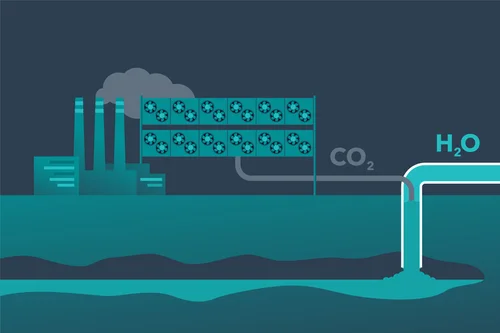
Industrial CO2 Capture Technology and Underground Storage
Conclusion
Le carbon dioxide is a essential element of our environment, but its rising levels have had a significant impact on our climate. By understanding the role of this gas and taking steps to reduce our carbon footprint, we can help mitigate the effects of climate change. By combining the transition to alternative energy sources, the implementation of energy-efficient practices, and offsetting our emissions, we can work toward a more sustainable future for our planet. Let's act now to ensure a healthier planet for future generations!


