
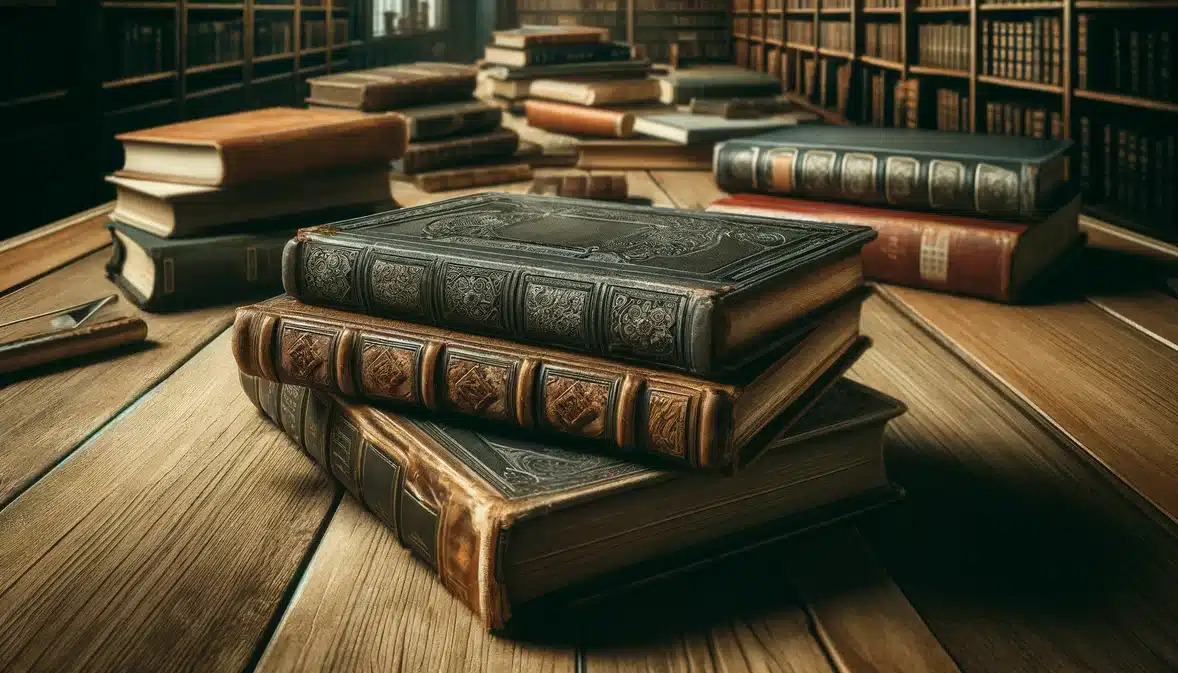
In the field of historical document preservation, restoring old books and ancient documents represents a significant challenge. Various techniques and processes exist to protect these precious works from time and the elements, but one method in particular is gaining popularity: the dry ice cleaning. This innovative approach offers multiple advantages for preservation while respecting the integrity of fragile materials. Cryoblaster® machines stand out particularly in this field, providing reliable and effective solutions.
What is dry ice blasting?
Le dry ice cleaning is a volume that uses Carbon dioxide ice (solid CO₂) for clean efficiently surfaces delicate. Unlike traditional methods that use chemical solvents or water, this procedure minimizes the risks of damage and adds no moisture, thus avoiding mold and other additional deterioration.
How does dry ice blasting work?
The process is based on three physical principles: thermal shock, kinetic impact et sublimation. First, the Carbon dioxide ice cools rapidly Contaminants, making them brittle. Kinetic impact of CO₂ particles sprayed creates shearing of contaminants. Finally, during the sublimation of dry ice, in a ratio of 1 to 700, allows the passage of dry ice from solid to gaseous state. Only the contaminant remains on the surface. The latter must then be vacuumed up.
Specific advantages for restoration
- Optimal preservation of materials: the low temperature and dry nature of dry ice prevent any alteration of the binding and fragile pages. We recommend using the ATX Auto (from 07/2024) and an additional fragmentation nozzle with the onboard ice system.
- Efficiency without chemicals: this process eliminates risks associated with the use of solvents that could potentially corrode ink and paper fibers.
- Environmental respect: generating no secondary waste except the contaminants removed, it is an environmentally friendly method.
Cryoblaster® Machines: An Advanced Solution for Restoration
In the world of restoring old books and ancient documents, Cryoblaster machines hold a privileged position thanks to their performance and adaptability. Designed to be adjustable according to specific needs, they offer several options allowing precise and gentle application of dry ice cleaning.
Equipped with precise settings (ATX Auto and ATX DS) to adjust the pressure and particle size of dry ice particles. This allows restorers to treat different types of materials, such parchments ancient to delicate leather bindings, without risk of further damage.
These devices can also be used for complex work involving composite objects where various materials must be cleaned together without excessive handling.
Practical examples of use
A typical case would be the restoration of an ancient manuscript that suffered fire damage, where soot residue must be removed without damaging the ink or illustrations. Another situation could involve a collection of rare books affected by fungi, where moisture must absolutely be avoided during cleaning.
Comparison with other restoration technologies
Unlike liquid solvent treatments or abrasive methods, dry ice cleaning via Cryoblaster® leaves no chemical residue, and its : its better preserves fine details such as engravings ou illuminations. Compared to ultraviolet or other radiation sterilization techniques, it does not further weaken paper fibers.
Extended application beyond books: Cleaning archives and museums
Beyond book restoration, the Cryoblaster® technology finds its usefulness in cleaning archival documents, artworks and other artifacts preserved in museums. Heritage institutions are increasingly adopting this process to maintain and preserve their invaluable collections.
Preservation of historical documents
From civil registers to ancient maps, dry ice cleaning helps remove ingrained dirt and other contaminants accumulated over centuries, thus ensuring readability and the integrity of these precious documents.
In museums, exhibited works suffer from dust and other environmental pollution. With Cryoblaster®, curators ensure regular maintenance without fear of altering delicate pieces, thus extending their lifespan et their brilliance for future generations.
Decision-making process for choosing the appropriate restoration method
Opting for dry ice cleaning requires a rigorous analysis of the specific characteristics of the book or document to be restored. Several factors must be considered: the fragility of the material, the extent and nature of contamination, and the desired conservation objectives.
Here are the steps to follow:
1. Initial assessment and diagnosis
Before starting any work, a study thorough is conducted. A specialized provider assesses the general condition of the document, identifies the exact types of contaminants present, and determines the most appropriate technique for each section to be treated.
2. Planning and implementation
Once the decision to use the Cryoblaster has been made, a detailed plan is established. This plan involves the selection waste, optimal parameters of the machine, as well as continuous monitoring to ensure that the treatment proceeds without compromise. Tests may be performed on similar samples to ensure the safety and effectiveness of the process.
3. Post-operation monitoring and ongoing conservation
After restoration, regular follow-up is essential to maintain the results achieved. Libraries and museums must implement preventive measures against future damage, such as controlled climate control systems or careful handling during consultation.
- Installation of dust filters.
- Monitoring de moisture and temperature.
- Protective envelopes for restored documents.
The constant evolution of restoration technologies brings new opportunities to preserve our written heritage. Dry ice cleaning, particularly via Cryoblaster® machines, paves the way for more respectful and sustainable management of literary and historical treasures.
For more information on the upcoming release of ATX Auto and ATX DS equipment for your dry ice cleaning operations on old books and ancient documents, contact us at 04 81 61 02 75, or fill out the form below.


