
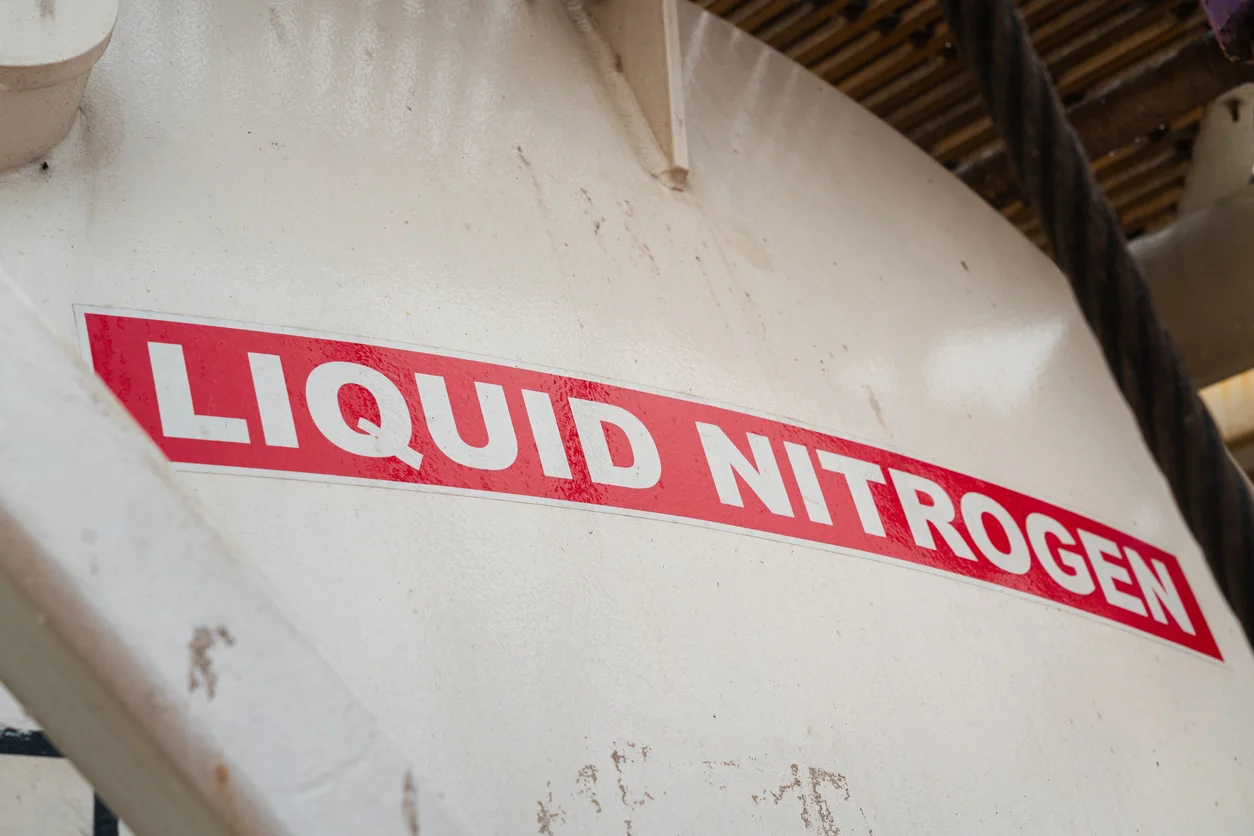
The use of the term "dry ice blasting" to describe dry ice projection may seem paradoxical. Indeed, cryogenics is generally associated with extremely low temperatures, close to -150°C or even lower, such as those obtained with liquid nitrogen at -196°C. However, the dry ice used in this process only reaches -78,5°C. So where does this terminology come from?
Historical and Technical Explanation
Origin of the Term "Cryogenic"
The term "cryogenic" derives from the Greek words "kryos" (cold) and "genos" (production): κρυογονική. Initially, the dry ice cleaning simply designated processes involving extremely low temperatures, without a precise threshold. However, with technological scientific et advances, this science gradually became specialized to designate following applications requiring extremely low temperatures, generally below -150°C.
Ce field of research explores the properties and behavior of of matter on these machines at extreme temperatures, paving the way for innovations in sectors as varied as medicine, aerospace ou energy.
The Analogy with Cryogenics
Although Carbon dioxide ice does not reach the is not work at extreme temperatures of dry ice cleaning scientific threshold (-150°C to -196°C), it remains nonetheless extremely cold compared to traditional cleaning methods. This volume is based on the use supersonic speed spray nozzle substance at very low temperature ( dry ice at -78.5°C) to create a thermal shock that weakens and removes contaminants.
This principle, based on the use of intense cold, is close enough to that of dry ice cleaning to justify the use of this term.
Marketing and Simplification
The adoption of the term "dry ice blasting" can also be linked to a desire to simplify le technical language and make the method more accessible. The idea is to help users understand that this method is based on the use of intense cold, while remaining a recognizable and easy-to-remember term.
So, even though cryogenic cleaningdoes not reach is not the extreme temperatures of dry ice cleaning by scientific standards, the use de low temperatures and thermal shock it produces on contaminants explain why this technique bears this name.
*: English translation of the anglophone terms "dry ice blasting" ou "dry ice cleaning", which literally mean "cleaning by dry ice projection".


