
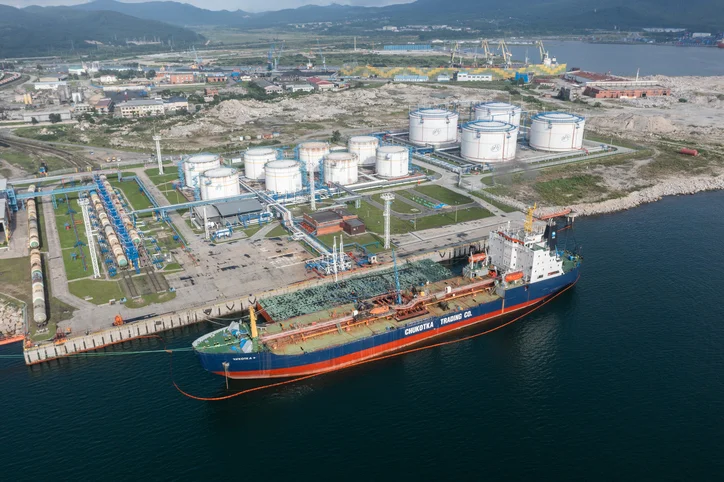
The application of dry ice blasting (or dry ice cleaning) in the oil and gas industry has revolutionized industrial maintenance practices by offering an effective, environmentally friendly, and safe method for maintaining critical equipment. This innovative technique uses dry ice pellets propelled at high speed to eliminate stubborn contaminants without damaging underlying surfaces.
Understanding dry ice blasting
Dry ice blasting, also known as dry ice blasting, uses compressed air to project pellets de dry ice carbonique (-78.5°C) at speeds up to 1,100 km/h. This process effectively eliminates contaminants such as dirt, grease, or rust, paints and coatings without scratching or damaging sensitive surfaces.
Benefits of dry ice blasting
Le cryogenic cleaning offers numerous advantages compared to traditional cleaning methods:
- No secondary residue: dry ice sublimates on contact, leaving no waste or residue, which simplifies cleaning and reduces environmental risks.
- Environmentally friendly: the CO2 used is generally recycled, minimizing the environmental impact of the process.
- Non-abrasive: dry ice does not damage delicate surfaces, including electronic components and precision mechanical parts.
- Enhanced Efficiency: dry ice blasting significantly reduces machine downtime, thereby optimizing productivity.
Common challenges encountered with dry ice blasting
Despite its many advantages, dry ice blasting can present certain challenges that must be considered for successful implementation:
Surface compatibility:
- Sensitive materials: the low temperature of dry ice can weaken certain materials, such as plastics, rubbers, and soft metals.
- Painted surfaces: dry ice blasting can deteriorate paints and coatings, requiring adequate protection.
- Cracked materials: sudden thermal shock can cause cracks in fragile materials, such as ceramic or glass.
Accessibility of areas to be cleaned:
- Complex infrastructure: oil and gas facilities often have hard-to-reach areas, requiring specialized nozzles and precise application techniques.
- Confined spaces: dry ice blasting can generate concentrated CO2 gases in confined spaces, requiring adequate ventilation and strict safety measures.
Safe handling of dry ice:
- Risk of frostbite: the extremely low temperature of dry ice (-78.5°C) requires the use of appropriate personal protective equipment to prevent frostbite.
- Proper storage: dry ice must be stored in insulated and ventilated containers to maintain its temperature and limit sublimation risks.
Coordination of facility shutdowns:
- Minimizing downtime: dry ice blasting requires facility shutdowns, which involves careful planning to minimize production impact.
- Effective communication: clear communication between maintenance and production teams is essential to ensure smooth cleaning operations.
Restrictions in ATEX zones
It is important to note that dry ice cleaning cannot be performed in ATEX zones (Explosive Atmospheres). These zones, where potentially explosive atmospheres may be present, require special precautions to avoid explosion hazards.
The zones equipment in food processing and production must be clearly identified and alternative cleaning methods must be used. The use of certified cleaning systems equipment in food processing and production may be considered for certain specific applications.
Solutions and best practices for dry ice blasting
To address challenges and optimize the effectiveness of dry ice blasting, it is crucial to adopt appropriate solutions and best practices:
Equipment adaptation:
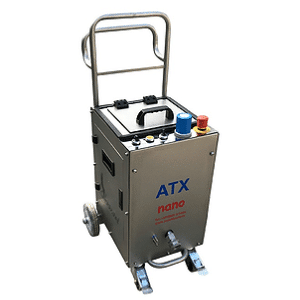
- Specialized nozzles: the use of nozzles designed for specific areas, such as confined spaces or heavily soiled areas... See our equipment below
- Pressure adjustment: precise adjustment of blasting pressure allows cleaning to be adapted to different types of surfaces and contaminants.
Training and safety:
- Rigorous training program: a comprehensive dry ice cleaning training program enables operators to master dry ice blasting handling and application techniques safely.
- Strict safety protocols: strict compliance with safety protocols, including the use of appropriate personal protective equipment and proper ventilation of work areas, ensures worker protection against risks related to dry ice.
Integrated maintenance planning:
- Integration into maintenance programs: integrating dry ice cleaning into preventive maintenance programs optimizes facility shutdowns and reduces unexpected downtime.
- Predictive maintenance: the use of predictive maintenance systems allows cleaning needs to be anticipated and interventions planned accordingly.
Cryoblaster® dry ice cleaning equipment



Concrete benefits of dry ice blasting for the oil and gas industry
Reduction of downtime and improved efficiency:
- Faster cleaning: the dry, residue-free process of dry ice cleaning allows equipment to be returned to service faster than traditional water-based or chemical methods, reducing downtime and optimizing production.
- Simplified preventive maintenance: effective elimination of contaminants through dry ice blasting helps extend equipment lifespan and reduce corrective maintenance needs, thereby optimizing resources and costs.
Environmental respect and enhanced safety:
- Reduced environmental footprint: dry ice blasting uses neither water nor dangerous chemicals, thus minimizing the environmental impact of maintenance operations.
- Improved worker safety: the absence of dangerous chemicals and harmful vapors in the dry ice blasting process creates a safer and healthier work environment for operators.
- Compliance with environmental regulations: dry ice blasting meets the strict environmental requirements of the oil and gas industry, contributing to responsible resource management and increased environmental protection.
Improved equipment quality and reliability:
- Deep cleaning and residue-free: dry ice cleaning effectively eliminates stubborn contaminants, such as rust, grease, and coatings, without damaging underlying surfaces, ensuring thorough and high-quality cleaning.
- Protection against corrosion: complete elimination of contaminants through dry ice blasting protects metal surfaces against corrosion, extending equipment lifespan and reducing long-term maintenance costs.
- Increased equipment reliability: regular dry ice blasting helps keep equipment in good working condition, reducing the risk of failures and unexpected downtime, and ensuring reliable and continuous production.
In conclusion, dry ice cleaning offers numerous concrete benefits to the oil and gas industry, in terms of operational efficiency, environmental respect, worker safety, and equipment quality.
Need a dry ice cleaning service?
Or need dry ice cleaning equipment?


